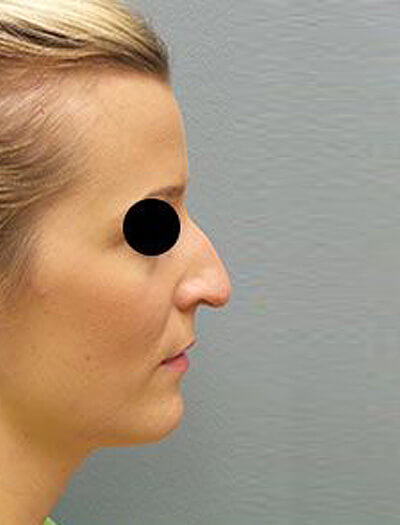
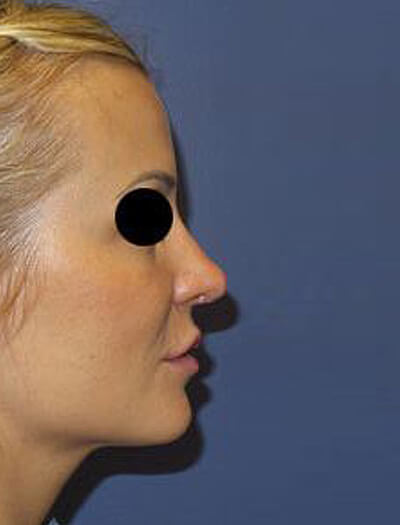
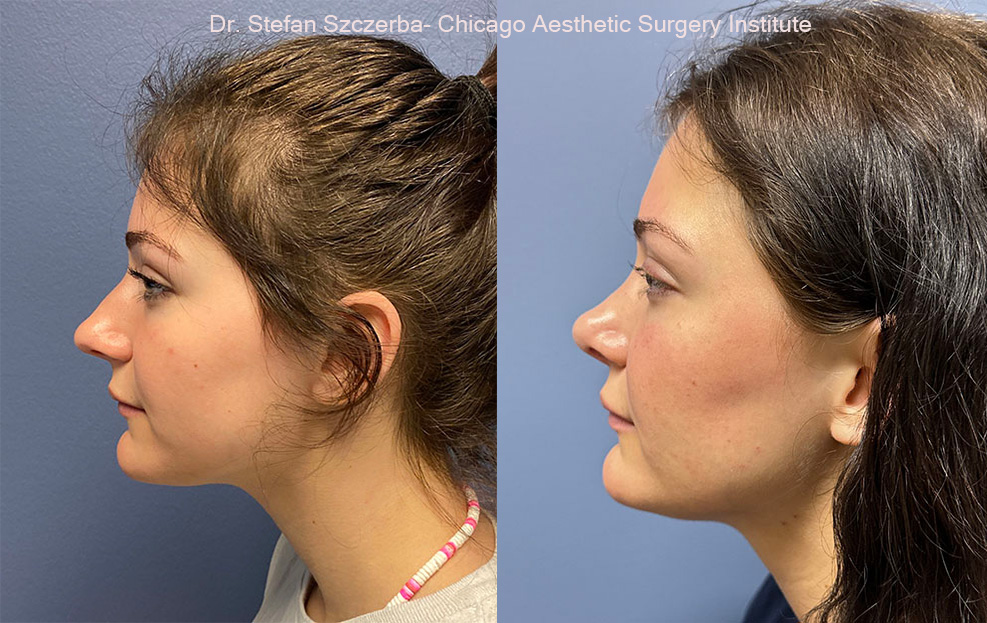
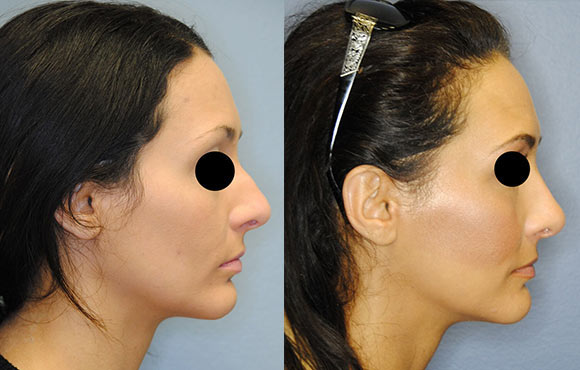
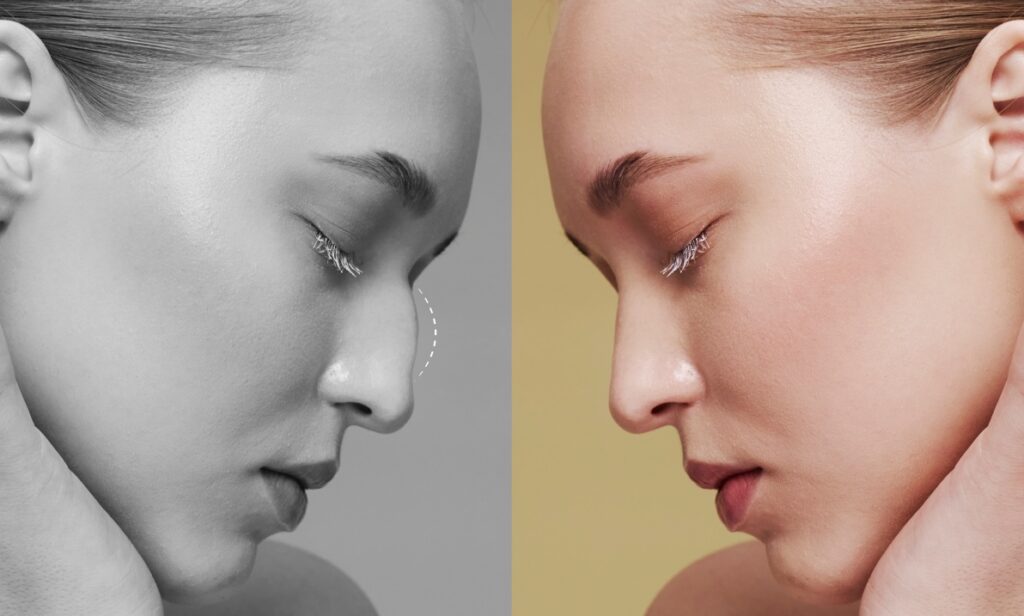
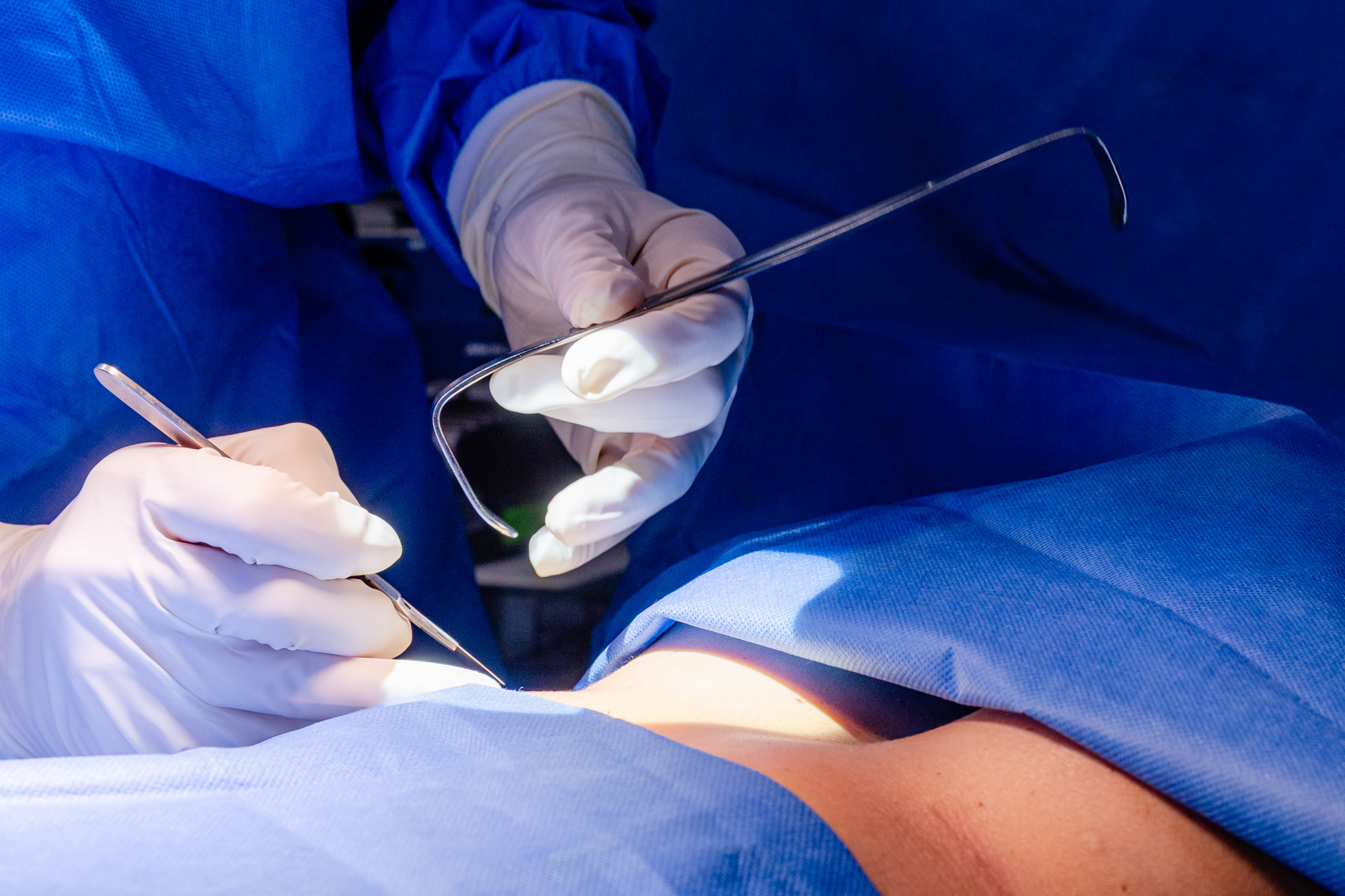
In traditional rhinoplasty, surgeons often remove the bony and cartilaginous bump and reconstruct the bridge from smaller pieces. Preservation techniques take a different route: the dorsum is lowered as a single, intact unit, keeping its natural curves and support structure in place. This approach tends to produce a smoother profile with fewer irregularities, since the tissue is repositioned rather than rebuilt.
Preservation Rhinoplasty in Chicago
Refine Your Profile Without Losing What Makes It Yours.
Treatment Details
Consultation Required
Yes
Procedure Length
2 to 3 hours
Recovery Time
1 to 2 weeks initial downtime
Duration of Results
Permanent
Not sure where to start?
Build My Treatment Plan
What Preservation Rhinoplasty Treats
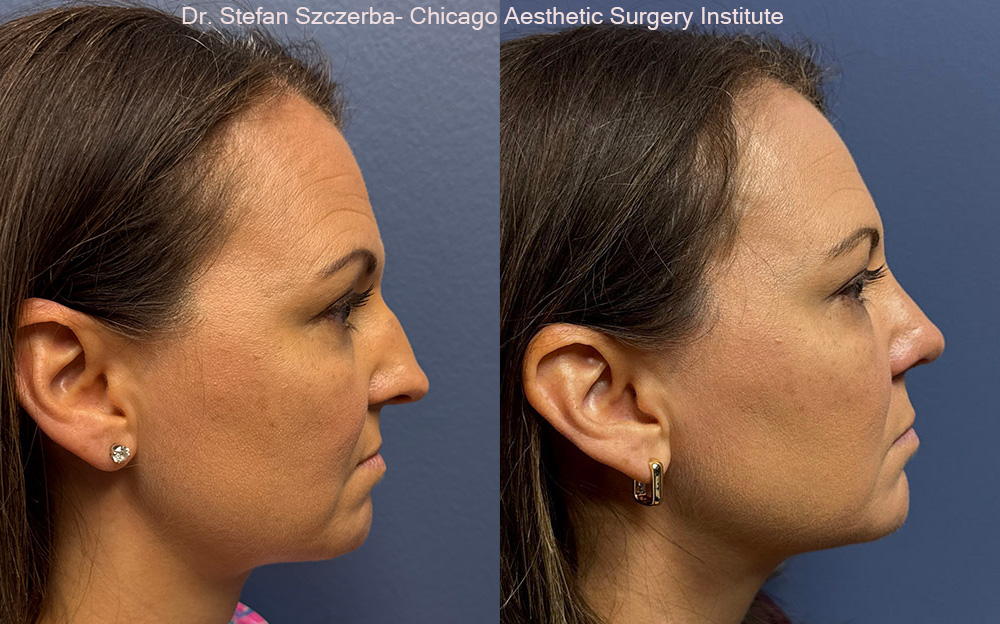
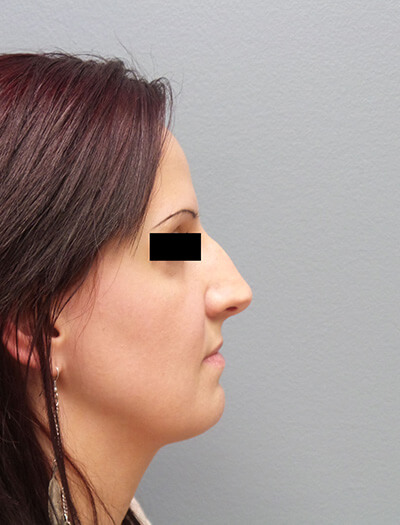
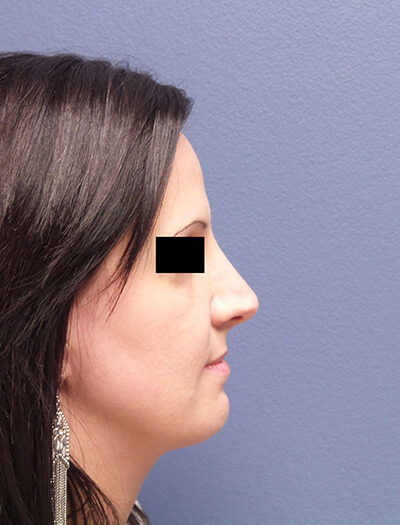
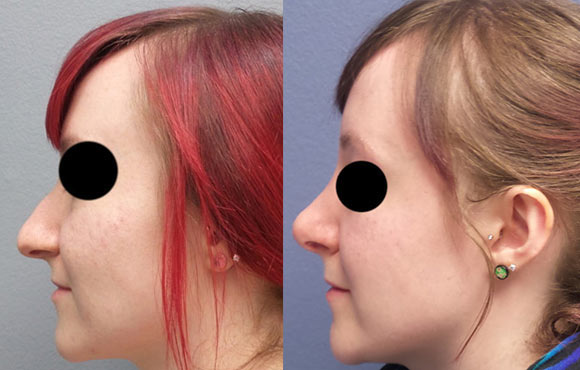
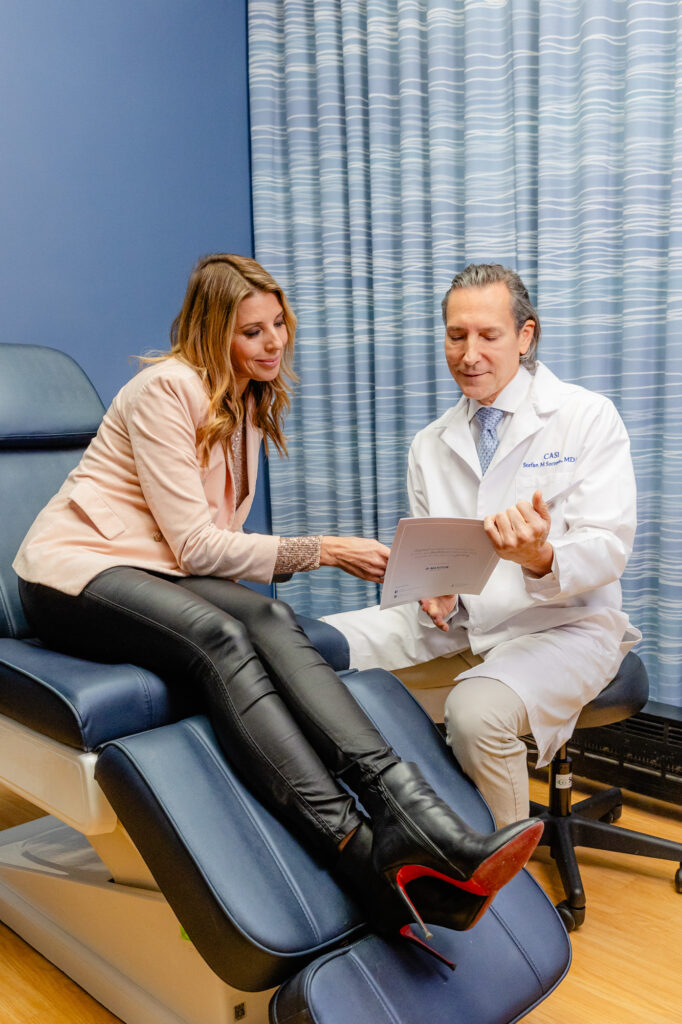
Preservation rhinoplasty is a nose surgery technique that lowers or reshapes the bridge as one intact piece. Instead of removing the bridge and rebuilding it, the surgeon keeps the nose’s natural support in place. At CASI, preservation rhinoplasty in Chicago takes 2 to 3 hours. Initial downtime is about 1 to 2 weeks, and the results are permanent. Dr. Stefan Szczerba brings fellowship training in cosmetic surgery from the New York Eye & Ear Infirmary. For years, he taught plastic surgery residents and medical students in Chicago.
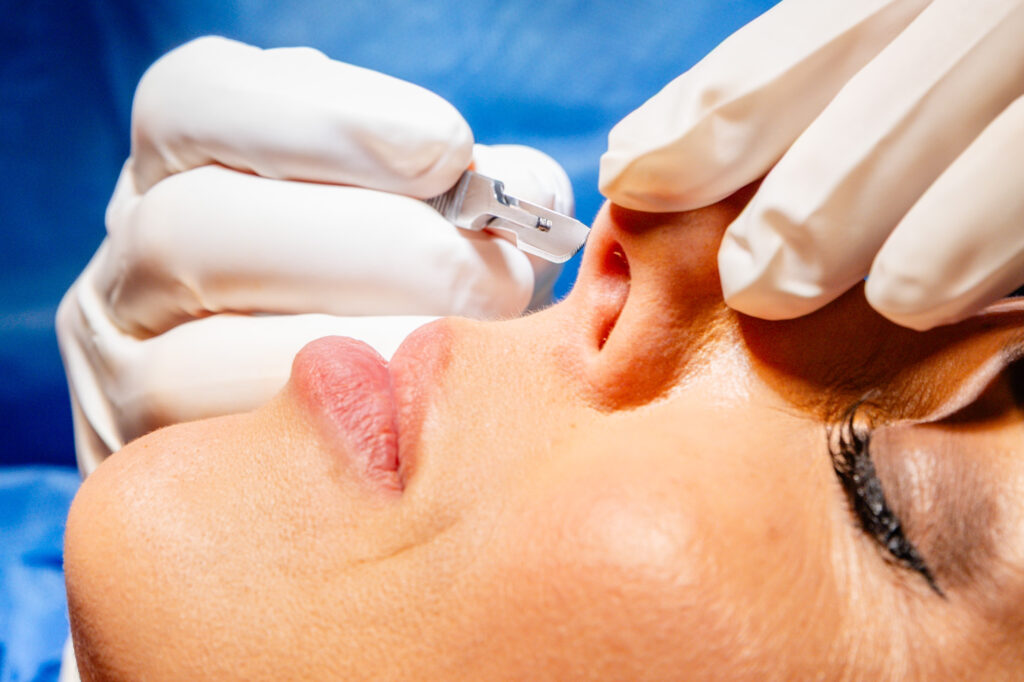
Our preservation rhinoplasty in Chicago is a modern approach to nasal surgery that reshapes the nose while keeping its natural support structures intact. Rather than removing the dorsum and rebuilding it from scratch, our surgeons work with your existing anatomy, sculpting and repositioning tissue to smooth a bump, refine the tip, or improve symmetry.
The result looks more like a subtly improved version of your own nose rather than a new one, with less swelling and a more predictable healing process along the way.
What It Treats:
-
Dorsal humps and bumps
-
Wide or bulbous tips
-
Nasal asymmetry
-
Breathing and airway concerns
-
Post-traumatic nasal deformities
-
Drooping or over-projected tips

The ligaments that support your nasal tip play a major role in how your nose moves, breathes, and ages. This technique maintains these structures whenever possible, adjusting tip shape and projection through careful suturing rather than aggressive cartilage removal. Patients often notice their nose continues to function and move naturally after healing, with results that hold up well over the years.
Preservation rhinoplasty in Chicago works especially well for patients with a straight or mildly humped dorsum and healthy surrounding cartilage. It’s a strong option if you want subtle refinement rather than dramatic reshaping, or if you’re concerned about the stiffness and loss of natural movement sometimes associated with more invasive techniques. During your consultation, your surgeon will evaluate your anatomy to confirm whether this approach fits your goals.
-
-
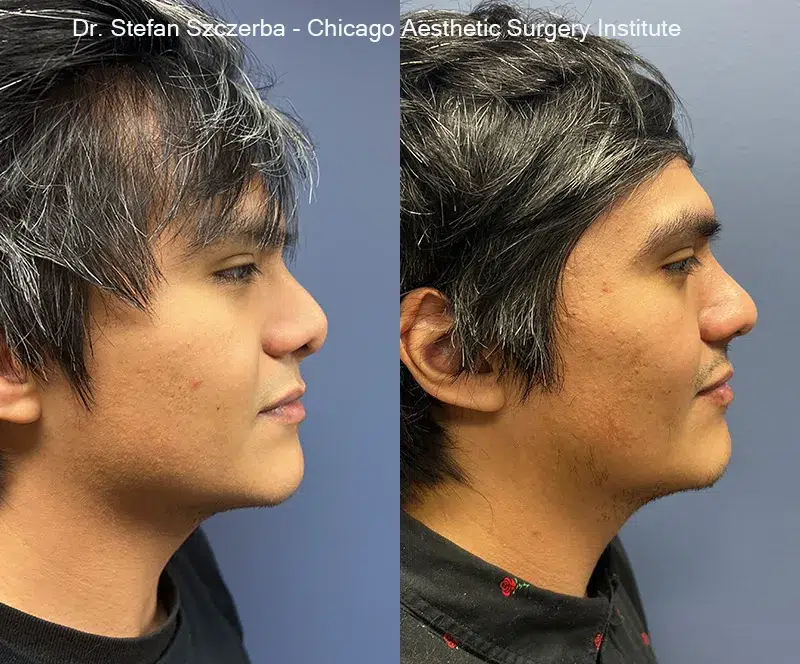
BeforeAfter
-
-
-
-
BeforeAfter
-
Your Path to a Refined Profile

Ready to Explore Preservation Rhinoplasty?
Connect with our team to schedule a private consultation and discover whether preservation rhinoplasty is the right path toward a more confident you.
Design Your Transformation
With Confidence
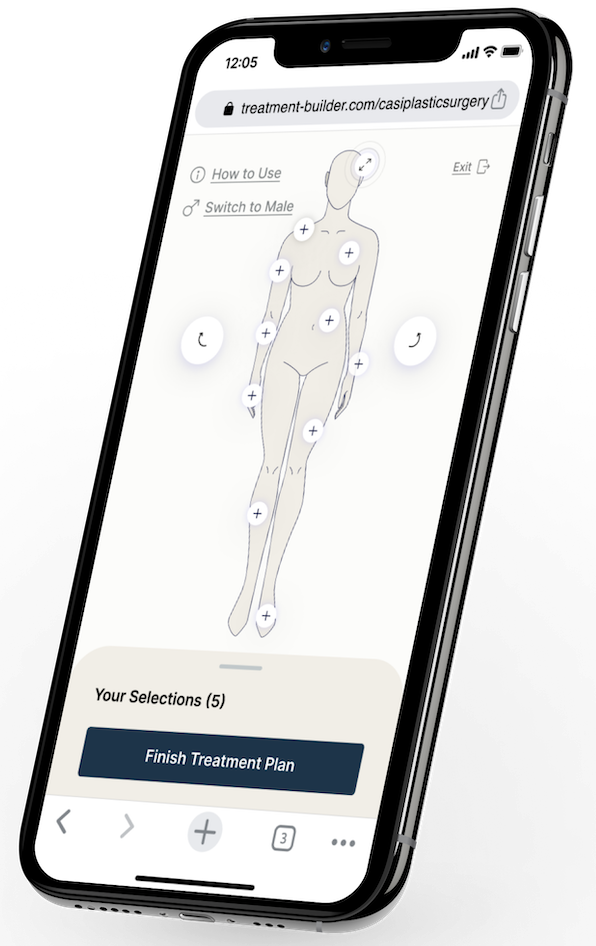
Not sure where to start? Answer a few quick questions and let our physician-led treatment planner point you toward the procedures best suited to your goals.
Rhinoplasty FAQs
Our preservation rhinoplasty in Chicago reshapes the nose while keeping its existing bone and cartilage framework intact, rather than removing and reconstructing it. Traditional rhinoplasty often involves more extensive tissue removal.
By preserving natural support structures, this approach tends to produce results that move, breathe, and age more like your original nose, with a smoother, more predictable recovery for many patients.
Good candidates for preservation rhinoplasty in Chicago typically have a straight or gently humped dorsum, healthy cartilage, and realistic goals centered on subtle refinement rather than dramatic reshaping.
Patients recovering from a prior rhinoplasty, or those with significantly damaged nasal structure, may be better suited to other techniques. The only way to know for certain is a hands-on evaluation, so your surgeon can assess your anatomy and walk you through which approach will help you reach your goals safely and effectively.
Most patients take 1 to 2 weeks off work or school for initial healing, though residual swelling can take several months to fully resolve. Because preservation techniques involve less tissue disruption than traditional rhinoplasty, many patients notice reduced bruising and a faster return to feeling like themselves.
Your surgeon will provide a personalized recovery timeline and aftercare plan during your consultation, along with guidance on activity restrictions during the weeks following surgery.
Natural-looking results are the goal of every procedure we perform. Because this technique works with your existing structure rather than replacing it, your nose should retain its individual character while addressing the specific concerns that brought you in, whether that’s a dorsal bump, asymmetry, or tip refinement.
Our surgeons take time during your consultation to understand your facial proportions and goals, so your results feel like an enhancement of your natural features rather than a departure from them.
Yes. Many patients pursue rhinoplasty for functional reasons and cosmetic ones. Because of this, we often combine preservation techniques with septoplasty or other airway procedures during the same surgery.
If you experience nasal obstruction, deviated septum symptoms, or breathing difficulty, mention this during your consultation so your surgeon can design a plan that addresses both form and function together.
The structural changes made during this procedure are designed to be permanent, though your nose will continue to experience the same natural aging process as the rest of your face over the years.
Swelling gradually resolves over 6 to 12 months, revealing your final result. Because this technique preserves your natural ligament support, many patients find their results age gracefully, without some of the stiffness or hollowing sometimes seen after more aggressive reconstructive techniques.

About the Medical Review
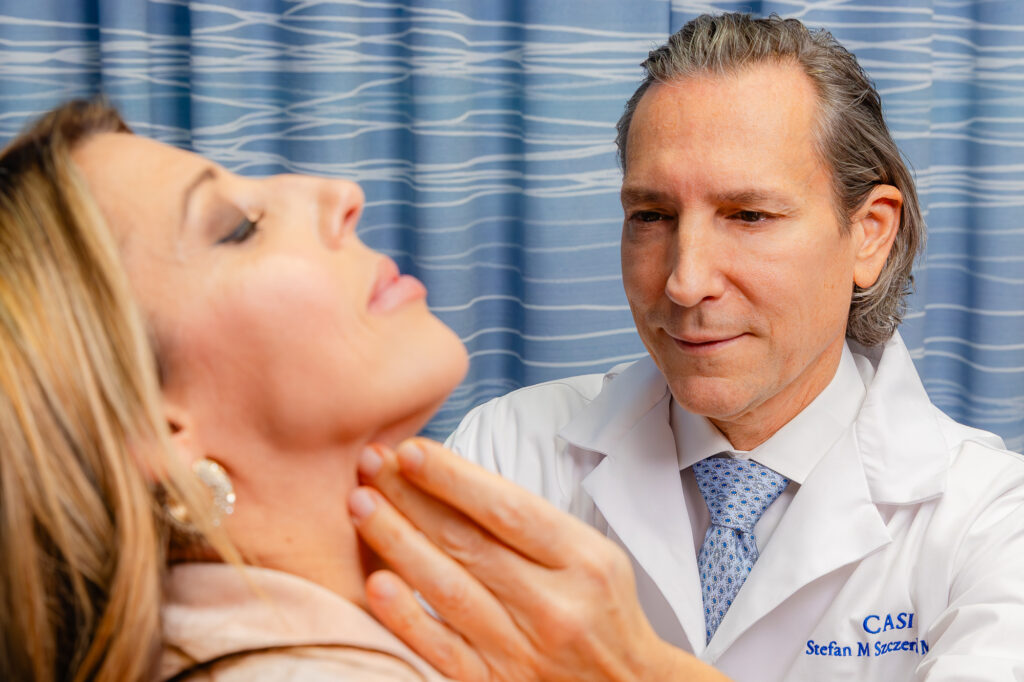
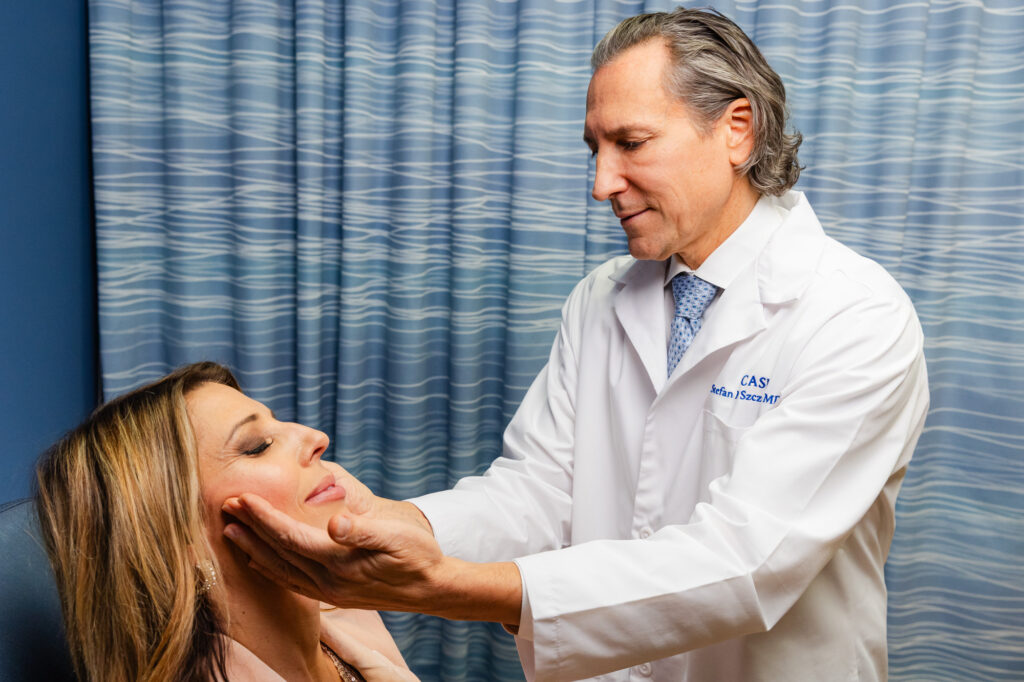
This page was medically reviewed by Dr. Stefan Szczerba, a double board-certified general and plastic surgeon at Chicago Aesthetic Surgery Institute.
Dr. Szczerba is a member of the American Society of Plastic Surgeons and the American Society of Aesthetic Surgery. He has published research articles in peer-reviewed journals and has written book chapters in plastic surgery textbooks. Castle Connolly has recognized him as a Top Doctor. RealSelf named him a TOP Doctor, an honor earned by the top 10% of ASPS members, and he has won a Patients’ Choice Award every year since 2012.
Last medically reviewed: November 12, 2026
Read Dr. Szczerba’s Full Bio